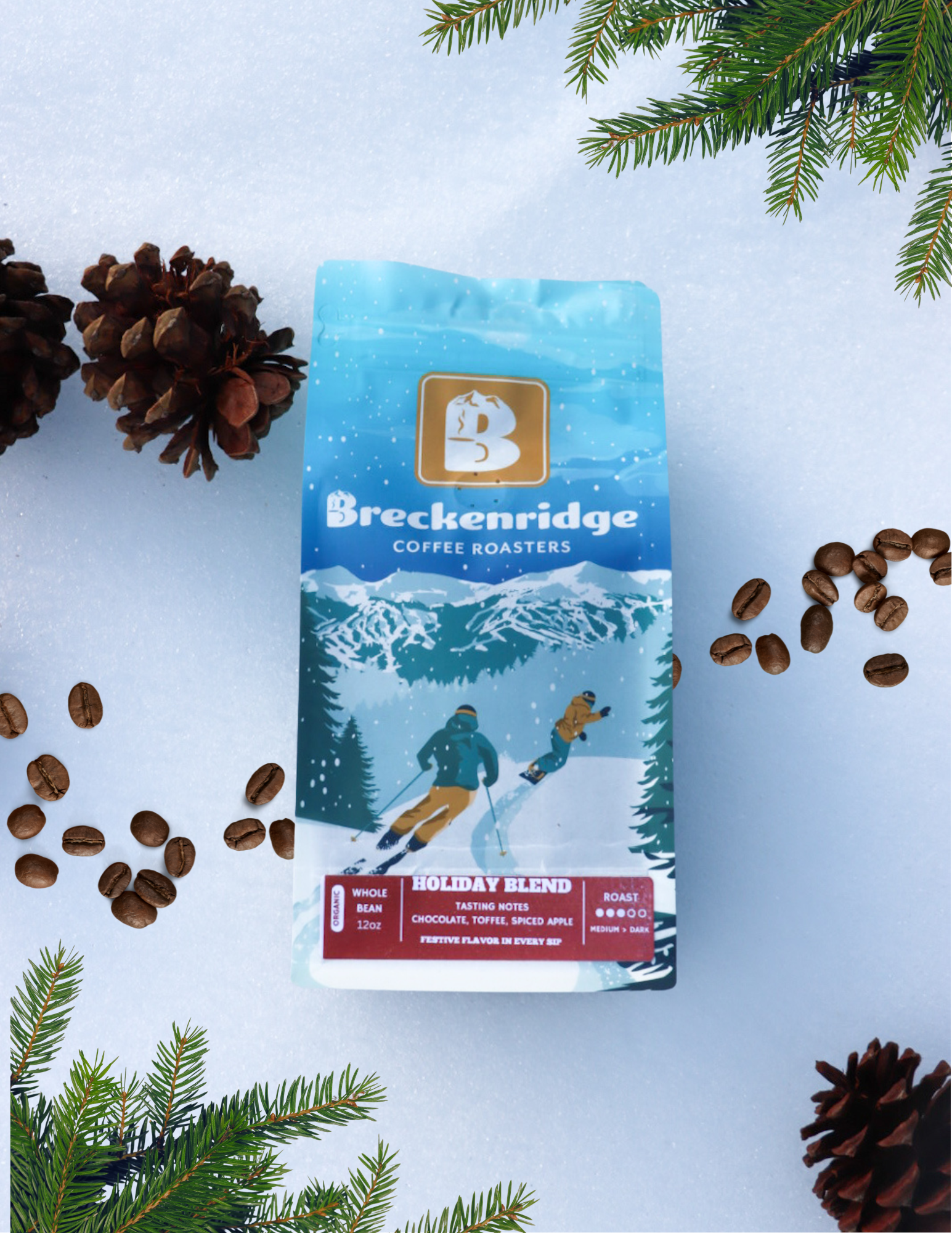
Image 1 of 2
 Image 2 of 2
Ethiopia, Misty Valley
Ethiopia prepares some of the world’s finest coffee known for complexity and delicious flavor profiles you can’t find anywhere else. In fact, the Misty Valley enters the Ethiopian coffee exchange as a Grade 1 Yirgacheffe––there are no flaws to be found in these beans! From espresso connoisseurs to casual coffee lovers, our customers adore the versatility. Find out why we tell everyone has never tried this coffee before...get ready to live!
Cupping Notes: Blueberry, chocolate, strawberry, floral, clean, consistent, balanced, bright lemony sweetness.
Ethiopia, Yirgacheffe
Ethiopia Yirgacheffe G2 Organic Rainforest Alliance is washed and dried on traditional raised beds, which promote even drying with optimal airflow. The heirloom varietal, idyllic climate and processing methods combine to create a signature flavor. The profile is renowned for its bright acidity, delicate body and floral aroma.
Cupping notes: Citrus, Tropical Fruit, Berries, Floral
Indonesia, Java
Java has been known for centuries for its fertile land, abundant natural resources and agricultural products. Rich volcanic soil, high altitudes, abundant rainfall and the tropical but cool climate makes for an ideal environment for coffee growing.
Cupping Notes: Dark Cocoa, Earthy, Umami, Lemon, Savory
Indonesia, Sumatra, Mandheling
Sumatra Mandheling is grown on the slopes of Mount Leuser, a volcano near the port of Padang, in the Batak area of Aceh. The Leuser Range is said to be home to one of the most ancient and bio-rich ecosystems on the planet.
Mandheling coffees are named in honor of the Mandailing people, an ethnic group in the Batak area who go by this second spelling. Indonesia has long been prized for a particular cup profile—a delicate acidity, creamy body and flavors from chocolate and red fruit to earthy, herbal, umami and sweet tobacco. The profile is the result of the country’s unique processing method, called wet hulled, or giling basah, in the Bahasa language.
Giling basah involves hulling the parchment at roughly 50 percent moisture content—versus 10 to 12 percent moisture, as is more common around the world). The parchment is then hulled and bagged and sent to rest—which is also unique to Indonesia. Elsewhere, hulling typically takes places just before the coffee is shipped to the port.
Cupping Notes: Mandheling coffees pretty consistently feature notes of chocolate, cedar, sweet tobacco and spice notes, along with a mild or winey acidity and creamy body.
Papa New Guinea | Korofeigu Organic | Roast: Medium
The story of coffee in Papua New Guinea is unlike any other origin. Roads are often nonexistent, communities are incredibly remote, and most coffee is grown casually in gardens alongside a family’s food supply. In fact, 99 percent of coffee is grown by individuals with an average farm size of .83 hectares and an average production of 10 bags per year.
Without access to mills, these producers pulp, ferment, wash and dry their own coffee, selling small volumes of parchment. Additionally, due to the extreme lack of access, coffee often makes it to exporters through roadside collections or aggregator pickups. This means the large lots of coffee we see exported are in fact the accumulation of many, untraceable micro-volumes which have been combined for processing.
The Korofeigu Farmer’s Cooperative Society is located in the Bena Bena Valley of the Eastern Highlands, between Goroka to the west and Henganofi to the east. The mountainous and moist cultivation area has loamy soil and a variety of native shade trees.
Cupping Notes: Caramel, citrus, cranberry; tropical, savory and juicy.